

A History of Craft Australia
(1971–2012)
Craft Australia was established in 1971 and grew into the nation's peak advocacy body for contemporary craft and design. Its stated purpose was to promote and provide access to Australian contemporary practice through advocacy, communication and research, and to platform the achievements of Australian craft and design practitioners, including the use of new technologies, hybrid artworks and links with industry.
The organisation built its foundations early. The Craft Australia Library was established in the 1970s as an educational resource for the sector, combining a collection of books, magazines and catalogues with a slide collection documenting the work of contemporary Australian craft and design artists. Based in Canberra, the library remained a specialist national research resource for the sector throughout the organisation's life.
Core programs and high points
ca enews. Craft Australia published a free monthly online newsletter, ca enews, which covered developments across the national craft and design sector, from studio glass and ceramics to jewellery, textiles and furniture. Distribution was encouraged widely and back issues were archived in the organisation's online newsroom.
Living Treasures: Masters of Australian Craft. In partnership with Object: Australian Centre for Craft and Design, Craft Australia promoted this national touring exhibition series celebrating senior Australian practitioners. Featured artists included Jeff Mincham (ceramics), Liz Williamson (textiles) and Robert Baines (metal/jewellery), with exhibitions touring regional galleries such as Tamworth, Dubbo, Sturt, Bathurst and Geelong.
craft + design enquiry journal. Developed in 2009, this peer-reviewed online journal was created to promote research capability in the craft and design sector. In a short period it achieved an Excellence in Research for Australia (ERA) rating and international recognition as a serious venue for practice-based research. Three volumes were published before Craft Australia closed, with a fourth in production on the theme "Relational Craft and Design."
right way. Craft Australia developed this online hub to support Indigenous craft and design nationally, growing out of earlier initiatives such as the Selling Yarns conference (2006). The platform let Indigenous makers and organisations build profiles, start groups and share their work.
National Historic Collection. Perhaps the organisation's most significant legacy project, this was a multi-year effort to digitise a slide archive documenting the Australian studio craft movement from the 1960s to the early 1990s. More than 4,000 images were digitised and made freely available online, charting the development of gold and silversmithing, textiles, ceramics, glass and wood across the period, including rare material predating most tertiary craft training programs in Australia. The collection included work by figures such as Peter Tully, Susan Cohn, Robert Baines, Les Blakebrough, Klaus Moje, Gwyn Hanssen Piggott and many others. The project was supported by three Community Heritage Grants (2008–2011) from the National Library of Australia.
National forums and sustainability work. Craft Australia gathered national data on sector issues through biennial online forums, and ran a sustainability program that published case studies on practices such as direct digital textile printing, exploring how the sector could reduce waste and adapt to changing markets.
Charitable status. Craft Australia operated as a registered charity with deductible gift recipient (DGR) status from the Commonwealth, allowing it to attract philanthropic support alongside government funding.
The funding crisis and closure
In October 2011, Craft Australia was notified that the Visual Arts Board of the Australia Council for the Arts would withdraw its funding, following a review that found the organisation “too reliant on government support”. Craft Australia challenged this assessment. A public petition attracted more than 1,800 signatures, and the Board and staff secured a short extension, from a planned December 2011 closure to April 2012, to allow for an orderly wind-down.
Rather than simply closing, Craft Australia used this extension to place its assets and programs with new custodians:
The National Gallery of Australia took on the 41-year historical collection, including the Craft Australia Library of monographs, journals and ephemera, and most of the undigitised slide collection.
The National Library of Australia archived the entire Craft Australia website through its Pandora web archiving program, and had already supported the digitisation project through Community Heritage Grants.
The Australian National University School of Art became the new home for the craft + design enquiry journal, with future volumes published by ANU E Press.
The digitised National Historic Collection (4,000+ images) moved to ehive, an online collection management platform, with the National Gallery of Australia managing it going forward as part of its Research Library.
Further works from the collection were also distributed to the Tasmanian Museum and Gallery and the Art Gallery of South Australia.
The Australian Craft and Design Centres (ACDC) network was positioned to carry forward national advocacy and support for the sector, with a rotating secretariat initially managed by Craft ACT: Craft and Design Centre.
Craft Australia formally wound up its operations on 30 April 2012, with a Special General Meeting held in Canberra on 15 May to deregister the company with ASIC.
Legacy
Over 41 years, Craft Australia staged touring exhibitions, published a respected magazine and later a research journal, ran a national education and reference library, built one of the most significant digitised records of the Australian studio craft movement, and created a national forum for Indigenous craft and design. Its final act, rather than letting that history disperse, was to methodically place each part of its legacy with an institution equipped to keep it alive: the National Gallery of Australia, the National Library of Australia, the ANU School of Art, and the ACDC network. General Manager Catrina Vignando, who oversaw the wind-up, described it as closing "this chapter of the Australian craft and design story" while expressing confidence that "future directions for Australian craft and design will provide equally engaging and evocative chapters."
Sources: Craft Australia's official blog (craftaustralia.blogspot.com), archive posts from February 2011 to May 2012, including the organisation's closure announcements and program updates.
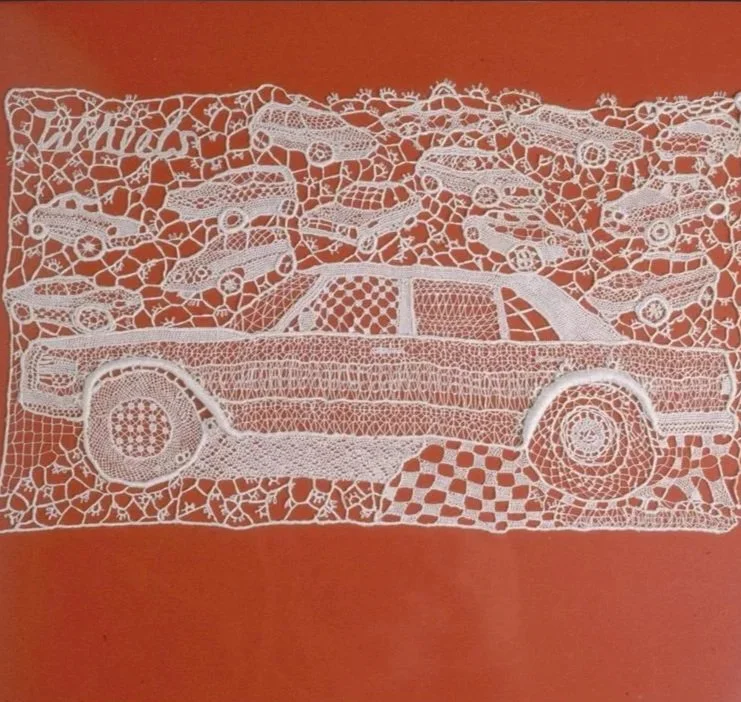
Pamela Gaunt
Landmarks 4 (1986)
Lacework
Digital slide from the Craft Australia collection.
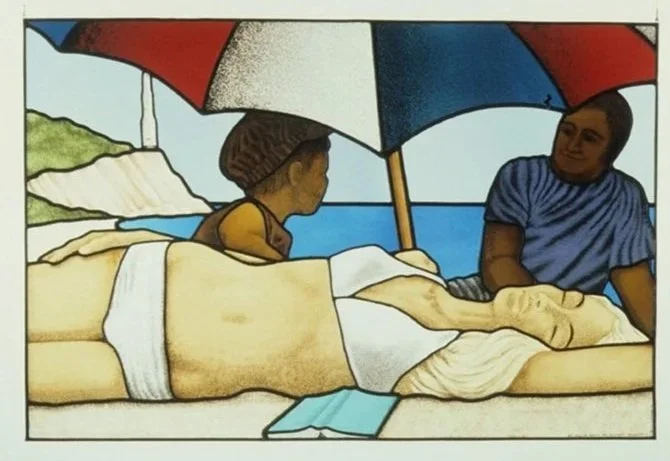
Gerry Cummins
Will We Survive the Imminent Holocaust (1981)
Flat glass
Digital slide from the Craft Australia collection.
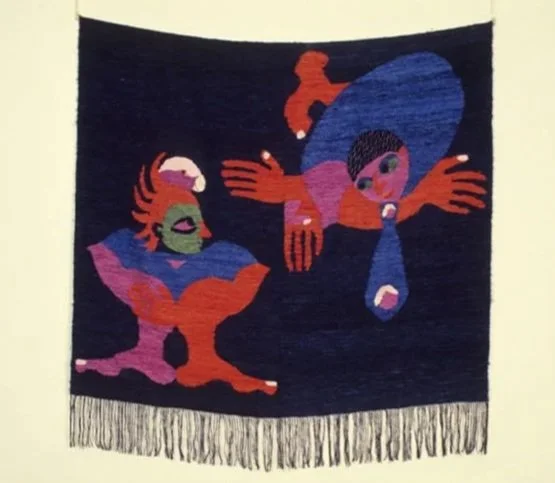
Pru Medlin
Me and the Jam Factory (1975)
Tapestry
Digital slide from the Craft Australia collection.
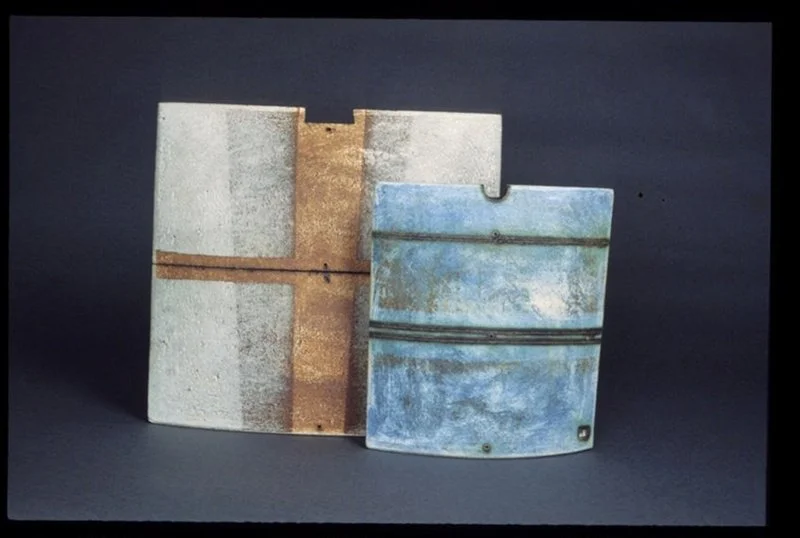
Derek Smith
Two Slab Forms (1976)
Ceramics
Digital slide from the Craft Australia collection.
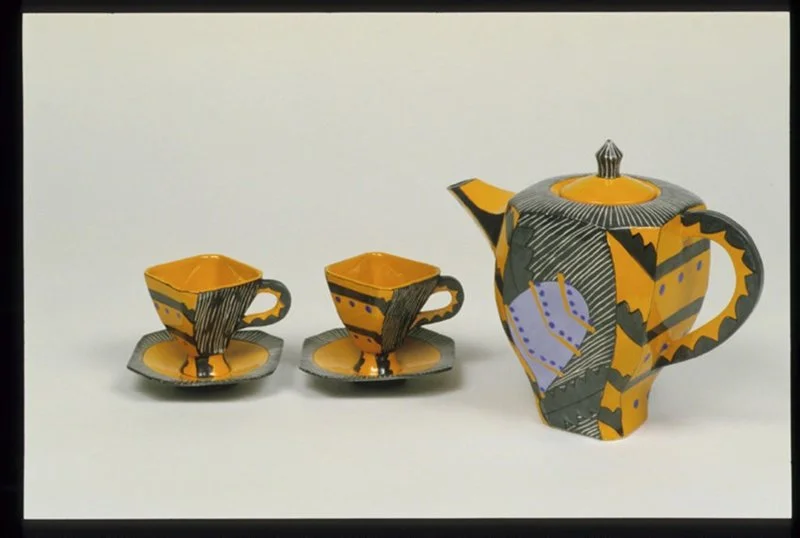
Patsy Hely
Orange Banksia Tea Set (1984)
Ceramics
Digital slide from the Craft Australia collection.
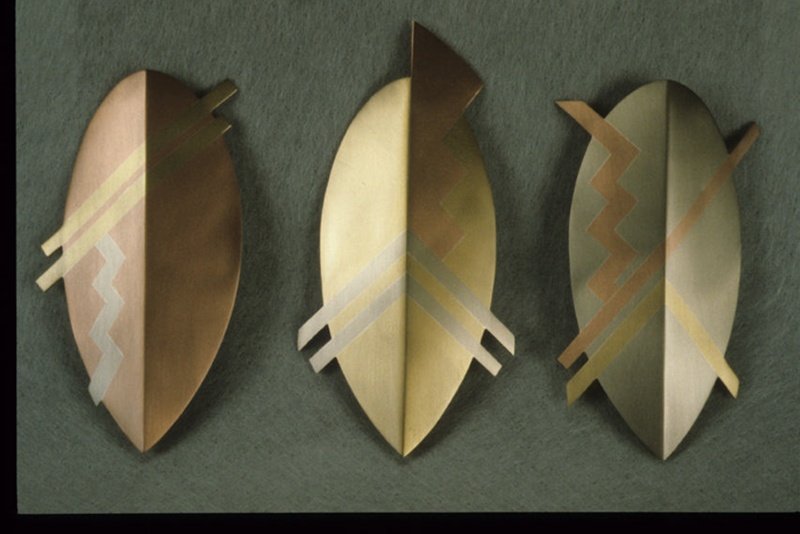
Philip Noakes
Shields, Series 1 (1981)
Jewellery
Digital slide from the Craft Australia collection.